Welcome to the beating heart of Tāmaki Makaurau. The Auckland CBD is where New Zealand’s most dynamic commercial activities meet world-class dining and a stunning waterfront. Originally established on a narrow volcanic isthmus in 1840, this bustling city centre has evolved from a colonial outpost into an international economic powerhouse.
Today, it serves as the ultimate destination for business growth, tourism, and high-density urban living. Whether you are a local entrepreneur looking to network, a visitor exploring the iconic Sky Tower, or a resident navigating the busy streets, understanding this precinct is absolutely essential.
As a central pillar of our comprehensive Auckland Directory, this guide explores everything you need to know about the central business district. We will dive deep into its rich history, modern attractions, and the massive infrastructure projects shaping its future.
Key Takeaways
The Auckland CBD is New Zealand’s economic and cultural hub, generating 21% of the region’s GDP. Key highlights include the transformative City Rail Link opening in 2026, premium precincts like Commercial Bay, and a vibrant history dating back to 1840. It remains the premier destination for business and tourism.
Introduction to the Auckland CBD
The Auckland CBD is much more than just a cluster of office buildings; it is a vibrant, multi-faceted ecosystem. It perfectly blends the fast-paced energy of a global financial hub with the relaxed, maritime lifestyle that New Zealand is famous for.
From heritage walks along the original shoreline to ultra-modern commercial developments, the area offers a unique juxtaposition of the old and the new. For local businesses, establishing a footprint here means tapping into the largest concentration of commerce in the country.
History and Evolution of the City Centre
The story of the Auckland city centre begins long before towering skyscrapers dominated the skyline. For centuries, the narrow isthmus between the Waitematā and Manukau harbours was a highly prized location for Māori due to its rich volcanic soils and strategic waterways.
In 1840, Lieutenant-Governor William Hobson chose this exact area to be the new capital of the British colony. This monumental decision was made possible by a strategic and generous gift of 3,000 acres of land from Ngāti Whātua Ōrākei leader Te Kawau, enabling the establishment of the central city.
Auckland did not hold onto its capital status forever. In 1865, the capital was officially moved south to Wellington to be more centrally located for the rapidly growing South Island settlements.
Despite losing its political crown, the city centre continued to thrive at an astonishing pace. The natural deep-water port facilitated massive booms in logging, gold trading, and maritime commerce throughout the late 19th and early 20th centuries.
Today, the CBD retains its historical charm through beautifully preserved heritage buildings nestled among modern glass towers. This rich architectural history serves as a constant reminder of the city’s pioneering roots.
Top Attractions and Things to Do in Auckland CBD
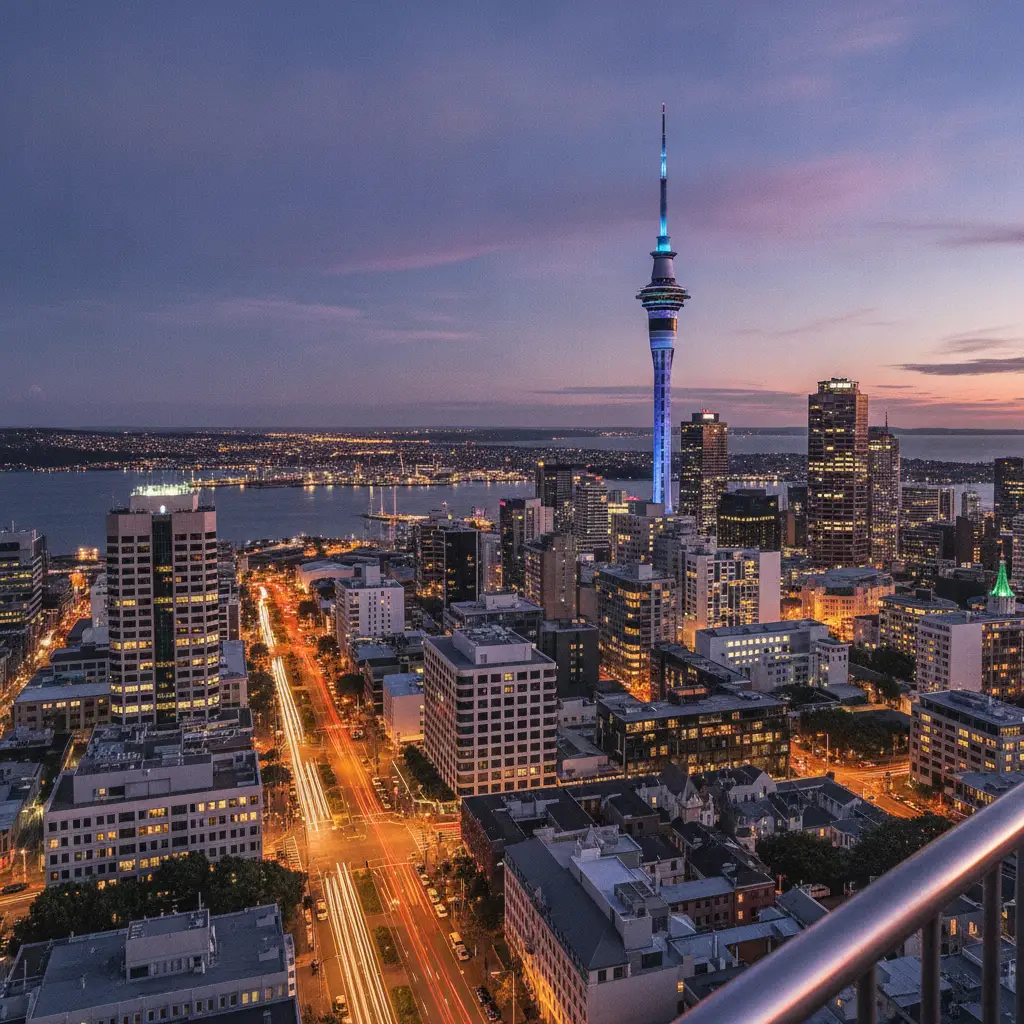
The modern Auckland CBD is a playground for both locals and international visitors, offering a dense concentration of entertainment, arts, and culture. At the very centre of it all stands the magnificent Sky Tower, an architectural marvel reaching 328 metres into the clouds.
As the tallest freestanding structure in the Southern Hemisphere, the Sky Tower provides breathtaking 360-degree views of the entire Auckland region. Visitors can enjoy fine dining at the revolving restaurant or test their courage with the thrilling SkyWalk and SkyJump experiences.
Just a short walk down to the waterfront lies the vibrant Viaduct Harbour. Originally redeveloped to host the America’s Cup in the early 2000s, this precinct is now the premier destination for marine tourism and upscale nightlife.
Dozens of superyachts dock alongside bustling restaurants, creating an atmosphere of luxury and maritime pride. It is the perfect spot to enjoy fresh New Zealand seafood while watching the sunset over the sparkling Waitematā Harbour.
For those seeking cultural enrichment, the Auckland Art Gallery Toi o Tāmaki is an absolute must-visit. Located near the lush grounds of Albert Park, this award-winning facility houses the most extensive collection of national and international art in the country.
Premium Shopping and Dining Precincts
Retail therapy and culinary excellence are cornerstones of the Auckland CBD experience. The city centre has undergone a massive retail renaissance in recent years, transforming it into a world-class shopping destination.
At the forefront of this transformation is Commercial Bay, a stunning architectural precinct located at the bottom of Queen Street. This multi-level retail and dining hub brings together high-end international fashion brands, local designer boutiques, and a globally inspired food hall.
Just across the road is the historic Britomart precinct, a masterclass in urban regeneration. Here, beautifully restored heritage brick buildings house some of New Zealand’s most prestigious fashion labels and award-winning eateries.
| Shopping Precinct | Atmosphere & Vibe | Key Highlights |
|---|---|---|
| Commercial Bay | Ultra-modern, luxurious, and fast-paced. | International flagship stores, Harbour Eats food hall, striking architecture. |
| Britomart | Heritage-chic, boutique, and sophisticated. | High-end NZ designers, cobbled laneways, award-winning restaurants. |
| High Street & Chancery | Intimate, creative, and local-focused. | Bespoke tailors, independent bookstores, hidden cafes. |
| Queen Street | Bustling, diverse, and accessible. | Major department stores, luxury brand flagships, vibrant street performers. |
Getting Around: Auckland CBD Transport and Accessibility
Navigating the Auckland CBD has never been more efficient, thanks to a concerted effort by local authorities to prioritize pedestrians and public transit. Queen Street, the main commercial artery, has seen widened footpaths and reduced vehicle lanes to create a more walkable, breathable urban environment.
The central transport hub is Waitematā Station, which connects the downtown area to the wider regional rail network. From here, commuters can easily access the western, southern, and eastern rail lines, while the adjacent Downtown Ferry Terminal provides scenic routes to Devonport, Waiheke Island, and beyond.
If you are visiting or doing business in the city, purchasing an AT HOP card is highly recommended. It offers heavily discounted fares across all buses, trains, and ferries compared to buying single cash tickets.
However, the most significant transport revolution in the city’s history is currently unfolding deep underground. The City Rail Link (CRL) is a $5.5 billion mega-project that will fundamentally change how people move through the central city.
Scheduled to open in 2026, the CRL features 3.45 kilometres of twin-tunnel underground rail, linking Waitematā Station to a newly redeveloped Maungawhau Station. This project will double the capacity of Auckland’s rail network, allowing it to move up to 54,000 passengers per hour during peak times.
It also introduces two brand-new underground stations: Te Waihorotiu near Aotea Square and Karanga-a-Hape near the famous Karangahape Road. These additions will drastically reduce commute times for workers and visitors alike.
While the CRL nears completion, several central streets may still experience temporary closures or detours. Always check the Auckland Transport website for live updates before driving into the city centre during peak hours.
Business and Networking in the Auckland CBD
Beyond tourism and retail, the Auckland CBD is the undisputed economic engine of New Zealand. The city centre alone generates approximately 21% of Auckland’s total Gross Domestic Product (GDP), housing the headquarters of major banks, law firms, and multinational tech companies.
For entrepreneurs and service providers, establishing a presence or actively engaging in business networking within this precinct offers unparalleled opportunities for growth. The sheer density of professionals creates a highly collaborative environment where B2B relationships flourish naturally.
The residential population of the CBD has also seen fascinating trends, shifting from a pure commercial zone to a highly populated residential hub. Although border closures caused a temporary dip, the resident population rebounded to nearly 37,000 people by 2024, driving immense demand for local services, retail, and hospitality.
This dense population mix of permanent residents, daily commuters, and international students provides a lucrative customer base for any business operating in the area. It is a dynamic market that rewards innovation and high-quality service delivery.
If you operate a business in or around the central city, ensure you claim your profile on NZ Webz. Being listed in a trusted, manually reviewed New Zealand website discovery platform helps improve your local SEO and connects you with high-intent regional customers.
Operating within the central business district provides several distinct advantages for growing companies. Here are the primary benefits of securing a footprint in this vibrant commercial zone:
- Unmatched foot traffic from thousands of daily office workers, university students, and tourists.
- Close proximity to major financial institutions, government agencies, and corporate decision-makers.
- Access to premium co-working spaces, conference centres, and regular professional networking events.
- Enhanced brand prestige and credibility by operating within New Zealand’s recognized commercial capital.

As Auckland continues to expand globally, the central business district remains the undisputed focal point for innovation and commerce. By understanding its layout, leveraging its transport upgrades, and tapping into its vibrant networking scene, businesses can position themselves for long-term success in the New Zealand market.