Imagine walking down a bustling high street in Wellington or Auckland. You notice two competing cafes situated right next to each other. One features a crisp, professionally designed sign and a well-lit window displaying fresh, vibrant pastries.
The other cafe has a blank facade, frosted windows, and a generic piece of paper taped to the door. Without even thinking, your brain has already made a decision about which establishment is more trustworthy, professional, and inviting.
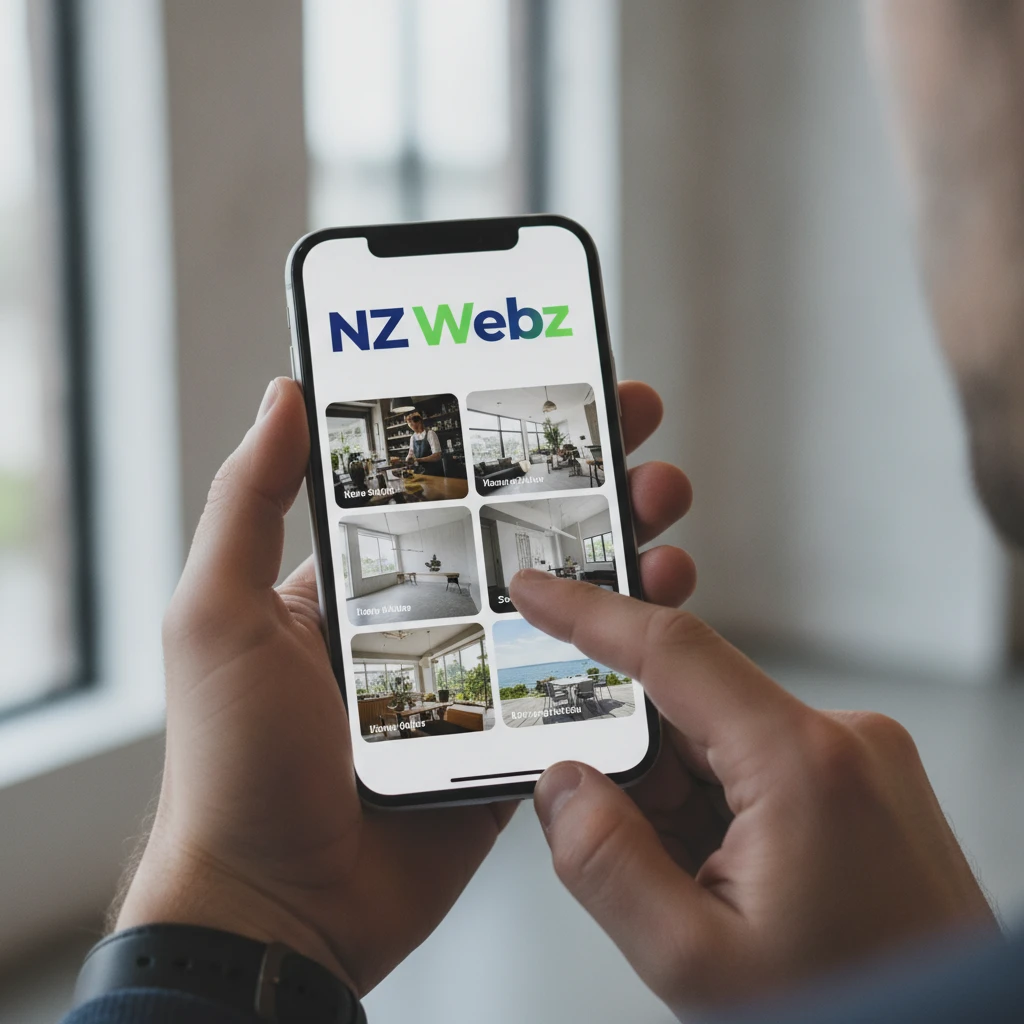
In the digital world, your online business profile operates in exactly the same way. When potential customers are searching for services on discovery platforms, they are making split-second judgments based entirely on visual cues. For Kiwi businesses, having comprehensive Logo & Media Galleries is no longer just a nice bonus; it is a fundamental requirement for digital survival.
Key Takeaways
Optimising your Logo & Media Galleries is the fastest way to build digital trust and increase local discovery. High-quality visual assets communicate your brand’s value in milliseconds, significantly boosting profile engagement, proving your authenticity, and converting directory visitors into paying customers.
The Power of Visual Trust in Digital Business Discovery
Why a Logo is Your Ultimate First Impression
Human beings are inherently visual creatures. Before a potential customer ever reads your carefully crafted business description, their eyes have already scanned your visual assets. This biological reality makes visual branding the most critical element of your initial digital handshake.
According to researchers at the Massachusetts Institute of Technology (MIT), the human brain can process an entire image in as little as 13 milliseconds. This means that within a fraction of a second, a consumer has already formed a subconscious opinion about your company’s credibility and professionalism.
Furthermore, as outlined in Wikipedia’s extensive documentation on visual communication, the human brain relies heavily on visual elements like typography, colour, and graphic design to rapidly interpret abstract information. When you upload a high-resolution logo to your profile, you are tapping directly into this powerful psychological shortcut.
A missing or pixelated logo, on the other hand, immediately triggers subconscious red flags. It suggests a lack of attention to detail, which consumers quickly associate with a lack of quality in your actual products or services.
Using different logos across various platforms (your website, social media, and directories) dilutes your brand identity. Always ensure your logo is universally consistent to build compounding recognition and trust.
How Image Galleries Convert Profile Visitors into Customer Enquiries
While a logo establishes your initial credibility, it is the deeper visual content that ultimately drives conversions. A well-curated portfolio of images serves as tangible proof of your capabilities. It bridges the gap between a customer’s problem and your proposed solution.
For a tradesperson in Christchurch, an image gallery showing pristine before-and-after renovation shots speaks louder than any written promise. For an ecommerce startup in Auckland, high-definition product images replace the physical experience of holding an item in a store.
Profiles that utilise fully fleshed-out Logo & Media Galleries consistently outperform text-only listings. The data is clear: visual evidence reduces buyer hesitation, answers unspoken questions, and creates an emotional connection that text alone simply cannot achieve.
This chart illustrates a universal truth in digital marketing. As you add layers of visual proof to your online presence, user engagement scales exponentially. Customers linger longer on your profile, interact with your content, and are far more likely to click through to your website.
Optimising Your Logo & Media Galleries for Maximum Local Engagement
Best Practices for High-Impact Business Imagery
Uploading images is only half the battle; uploading the right images is what truly sets a premium business apart. Quality control is essential. A blurry, poorly lit photograph can actually do more harm to your brand than having no photograph at all.
To ensure your visual assets are working hard for your business, you must adhere to modern digital standards. Here are the core principles for curating your visual portfolio:
- Prioritise Authenticity: Avoid generic stock photos at all costs. Consumers are highly adept at spotting staged stock imagery, which immediately erodes trust. Show real projects, real products, and real results.
- Maintain High Resolution: Ensure your images are crisp and clear on both mobile and desktop screens. Pixelated images suggest a lack of professionalism.
- Focus on Lighting: Natural lighting is always best. If shooting indoors, ensure the subject is well-lit and the colours accurately represent your work.
- Keep Backgrounds Clean: Whether it is a product shot or a logo file, cluttered backgrounds distract the viewer from the main subject. Use transparent PNGs for logos where appropriate.
Whenever possible, show your products or services in action. Contextual imagery helps potential customers visualise how your business fits into their own lives, making the decision to contact you much easier.
Categorising Your Media to Attract Kiwi Customers
Different industries require entirely different visual strategies. What works for a local plumber in Hamilton will not necessarily work for a boutique digital agency in Wellington. Tailoring your media to your specific audience is crucial for generating relevant enquiries.
When building out your Logo & Media Galleries, you must think about the specific pain points and desires of your target demographic. What visual evidence do they need to see before they feel comfortable handing over their hard-earned money?
| Industry Sector | Recommended Media Types | Customer Psychological Impact |
|---|---|---|
| Trades & Services | Before/After shots, completed projects, branded vehicles. | Proves competence, reliability, and tangible transformation. |
| Retail & Ecommerce | High-res product close-ups, lifestyle usage shots. | Replaces the physical touch, highlights quality and scale. |
| Marketing & Digital | Portfolio screenshots, data graphs, case study visuals. | Demonstrates ROI, creativity, and professional capability. |
| Tourism & Travel | Scenic landscapes, accommodation interiors, happy guests. | Sells an experience, evokes emotion and wanderlust. |
The Technical Side of Image SEO for Local Discovery
File Naming and Alt Text Strategies
While humans perceive images visually, search engines like Google read them through code and text. If you are uploading images with default file names like IMG_9876.jpg, you are missing out on a massive local SEO opportunity.
Before uploading any asset to your profile, rename the file to include descriptive, locally relevant keywords. For example, a roofer in Dunedin should rename their gallery image to dunedin-roof-replacement-after.jpg. This simple step helps search engines understand the context of your image and can boost your visibility in local search results.
Similarly, utilising proper Alt Text (alternative text) is vital for both accessibility and SEO. Alt text provides a written description of the image for visually impaired users and acts as another signal to search engine crawlers about the content of your page.
File Size and Page Load Speeds
There is a delicate balance between image quality and file size. While you want your Logo & Media Galleries to look stunning, uploading massive, uncompressed files will severely slow down the page loading speed.
Slow-loading pages frustrate users and lead to high bounce rates. They also negatively impact your overall search engine rankings. Always compress your images before uploading them. Tools like TinyPNG or modern WebP formats allow you to retain visual fidelity while drastically reducing the file size.
Before your next upload, run your images through a free online compression tool. Aim for file sizes under 200KB for standard gallery images to ensure lightning-fast loading times for your profile visitors.
Leveraging Enhanced Business Profiles on NZ Webz
The Advantage of Manual Quality Control
The internet is unfortunately filled with automated directories that accept any submission, resulting in spam-filled, low-quality environments. This is where NZ Webz takes an entirely different approach. We believe in quality over quantity, which is why every single submission undergoes a strict manual review process.
When you upload your visual assets to our platform, our team ensures they meet our high standards for clarity and professionalism. This manual curation protects the integrity of the platform, ensuring that your high-quality business is positioned alongside other verified, legitimate New Zealand brands.
By maintaining a clean, trustworthy environment, the Logo & Media Galleries featured on NZ Webz carry significantly more weight. Consumers know that the businesses listed here have been vetted, which dramatically shortens the trust-building phase of their purchasing journey.
For startups and new online stores, appearing in a manually reviewed directory provides instant borrowed credibility. Being placed in a structured, spam-free environment signals to Kiwis that your business is legitimate and trustworthy.
Building Long-Term Brand Equity
Investing in a premium business profile is a strategic move for long-term growth. Unlike pay-per-click advertising, which stops generating visibility the moment you stop paying, an optimised directory listing provides steady, set-and-forget discovery opportunities.
By fully utilising upgraded features like priority category placement and comprehensive image uploads, you create a robust digital asset. It becomes a permanent, highly visible portfolio that works around the clock to attract and educate potential customers across New Zealand.
Ultimately, taking the time to curate a beautiful, authentic visual presence is one of the most cost-effective marketing strategies available to Kiwi business owners today.