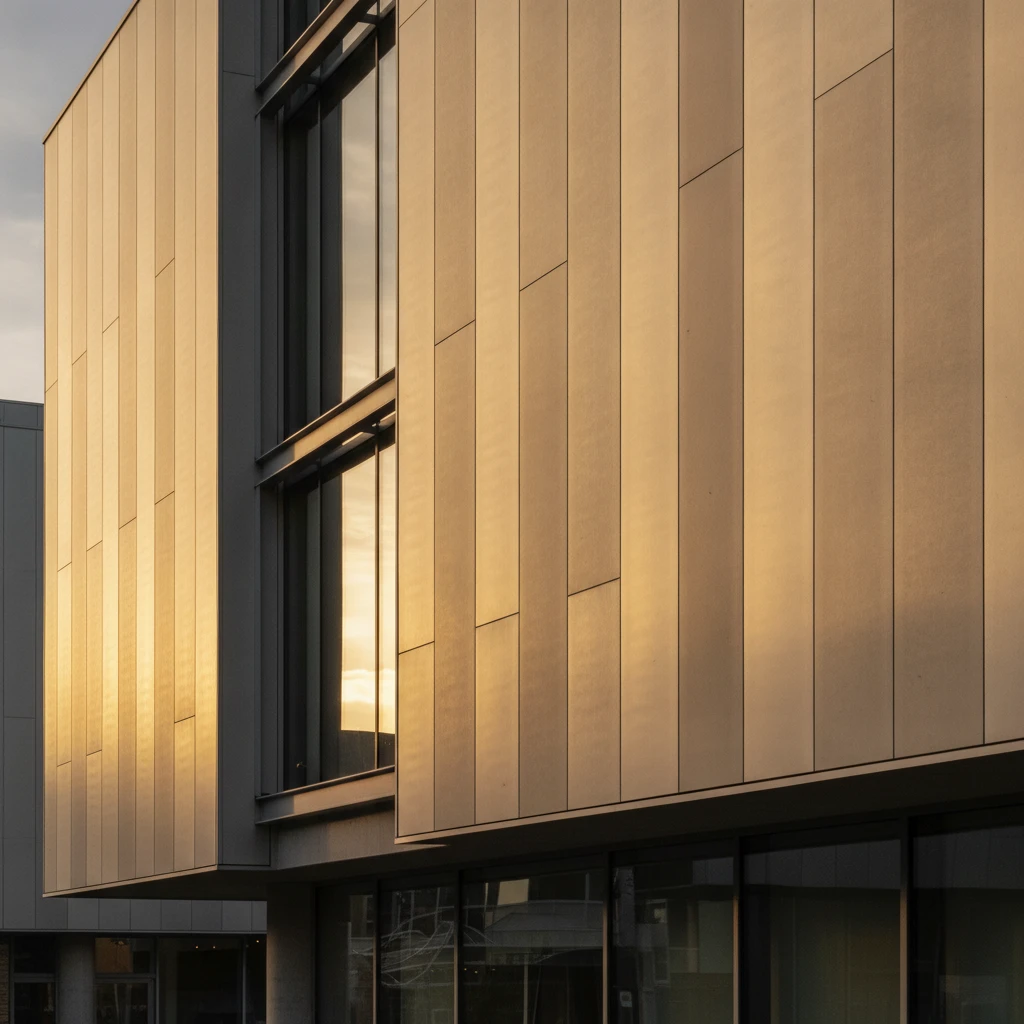
Nestled against the dramatic, bush-clad backdrop of the Remutaka ranges, Lower Hutt is a vibrant city that serves as the economic and cultural engine of the Wellington region. Officially known as Te Awa Kairangi ki Tai, this bustling hub effortlessly blends outdoor adventure with thriving commercial districts. It is a city where natural beauty meets modern enterprise, offering a compelling lifestyle for both families and ambitious professionals.
Historically recognized as a heavy manufacturing stronghold, the area has undergone a massive transformation over the past two decades. Today, it stands as a modern centre for innovation, technology, and professional services. Many Wellington commuters choose to call this area home due to its relatively flat terrain, spacious residential properties, and highly engaged community.
For local entrepreneurs and residents alike, the city provides a balanced lifestyle away from the intense density and high costs of the capital. Whether you are looking to scale a startup or find the perfect suburban home, understanding the local landscape is essential. This comprehensive guide explores everything from the area’s top nature reserves to its booming economic sectors.
Key Takeaways
Lower Hutt is a major urban centre in the Wellington Region, offering a blend of robust economic opportunities, family-friendly suburbs, and expansive natural reserves. Known for its strong professional services and manufacturing sectors, it provides an ideal environment for lifestyle seekers and local businesses looking to grow.
Introduction to Lower Hutt: The Heart of the Hutt Valley
As the sixth most populous city in New Zealand, the area is a cornerstone of the Wellington Region’s overall prosperity. The city is geographically defined by the beautiful Hutt River, which winds its way through the central business district and out into the Wellington Harbour. This river is not just a scenic backdrop; it is the lifeblood of the valley, historically facilitating trade and now providing immense recreational value.
The local community is highly diverse, bringing together a mix of multi-generational Kiwi families, new immigrants, and young professionals. This diversity has sparked a cultural renaissance in the area, visible in the wide array of international eateries, community festivals, and local arts initiatives. The city council has also invested heavily in revitalizing civic spaces to accommodate this growing population.
Ultimately, the appeal of the area lies in its perfect balance. It offers the infrastructure and amenities of a major urban centre while retaining the tight-knit, approachable feel of a suburban community. It is a place where you can hike through pristine native bush in the morning and attend a high-level corporate meeting in the afternoon.
Where is Lower Hutt and How Do You Get There?
Located just 15 minutes north of Wellington City, the area is highly accessible by both road and public transport. State Highway 2 runs directly alongside the city’s edge, providing a vital arterial route for daily commuters and commercial freight. The drive itself is spectacular, offering sweeping views of the Wellington Harbour before turning inland.
Public transport is exceptionally well-integrated into the city’s design. The Hutt Valley Line provides regular, reliable train services between Wellington Station and Upper Hutt, with major stops at Petone, Waterloo, and the central city. Additionally, an extensive bus network ensures that even the outermost suburbs remain deeply connected to the main commercial centres.
Commuter traffic on State Highway 2 can become heavily congested during peak morning and afternoon hours. If you are travelling for business, it is highly recommended to use the train service or travel outside of the 7:30 AM to 9:00 AM rush.
Best Things to Do in Lower Hutt
Whether you are a long-time resident or a weekend visitor, there is no shortage of activities to keep you engaged. The city is renowned for its family-friendly recreation facilities, expansive green spaces, and an increasingly sophisticated culinary scene. From coastal walks along the Petone foreshore to exploring the boutique shops on Jackson Street, the options are diverse.
The city centre also features vibrant weekend markets that draw crowds from across the region. The Riverbank Market, held every Saturday morning, is a massive local highlight where visitors can purchase fresh produce, artisan baked goods, and handmade crafts. It is a fantastic place to support local growers and experience the area’s strong community spirit firsthand.
Explore Nature and Parks in Lower Hutt
The crown jewel of the city’s outdoor offerings is undoubtedly the Hutt River Trail. This extensive shared pathway stretches for kilometres along both sides of the riverbanks, providing a safe and scenic route for cyclists, joggers, and dog walkers. During the warm summer months, the river itself becomes a highly popular spot for swimming, kayaking, and trout fishing.
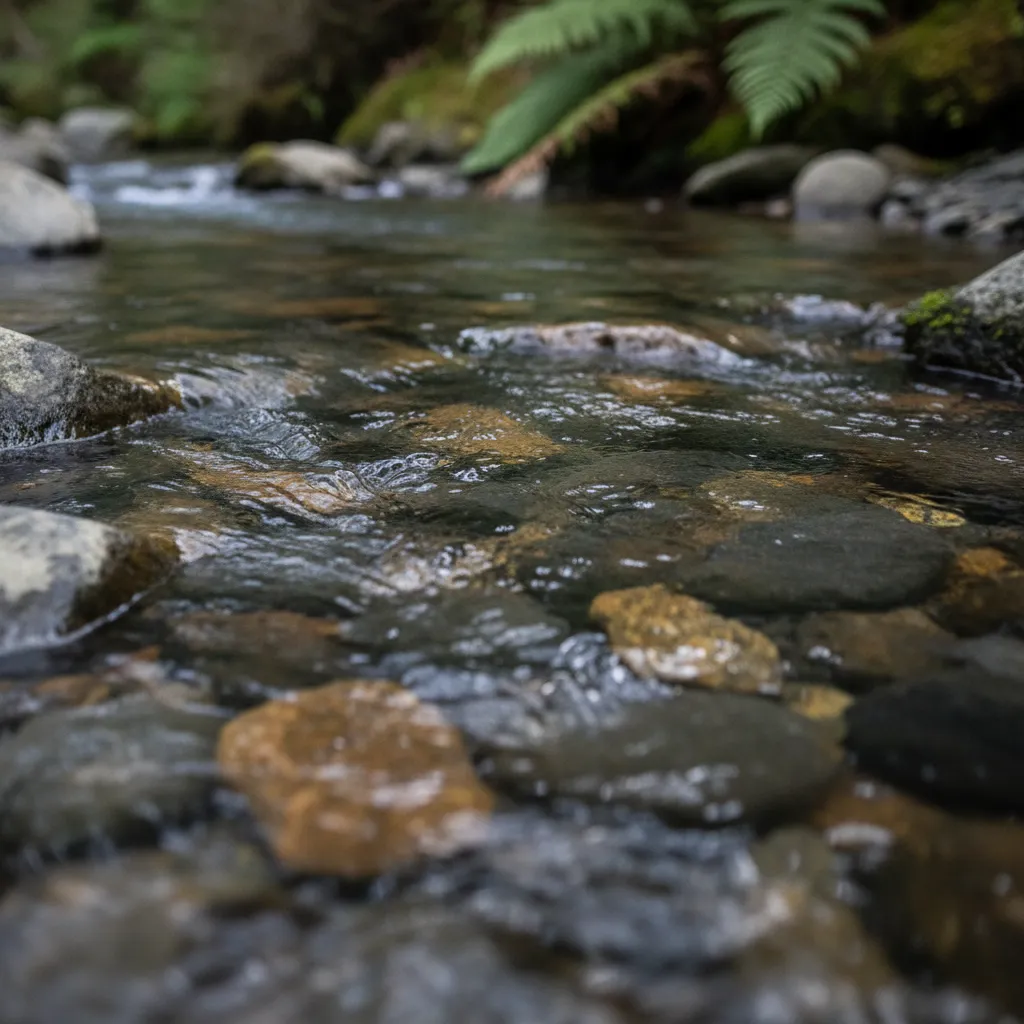
For those who prefer a more immersive bush experience, Percy Scenic Reserve is a must-visit destination. This lush reserve features a stunning waterfall, tranquil native bush walks, and a diverse array of unique New Zealand flora. It serves as an excellent spot for family picnics and offers a peaceful, natural retreat just minutes away from the busy state highway.
Further out, Belmont Regional Park offers rugged terrain and challenging hikes for the more adventurous. The park features historic ammunition bunkers from World War II and provides panoramic views of the entire Wellington region from its highest peaks. It is a testament to the city’s commitment to preserving its natural landscapes for public enjoyment.
Experience Local Art, Culture, and Museums
Cultural enrichment is a significant part of the local lifestyle, anchored by several highly respected institutions. The Dowse Art Museum, established in 1971, is a contemporary municipal gallery that has garnered national acclaim for its innovative and thought-provoking exhibitions. Named after former Mayor Percy Dowse and his wife Mary, the museum focuses heavily on applied arts, craft, and contemporary design.
Admission to The Dowse Art Museum is generally free, making it an excellent, cost-effective weekend activity. Be sure to check their seasonal exhibition schedule, as they frequently host interactive installations and creative workshops specifically designed for children.
For history buffs, the Petone Settlers Museum offers a fascinating glimpse into the early European settlement of the region. Located directly on the picturesque Petone foreshore, the museum is housed in the historic Wellington Provincial Centennial Memorial building. It meticulously details the story of the first immigrants who arrived on the beach in 1840 and the subsequent development of the valley.
The city also hosts numerous cultural festivals throughout the year, celebrating everything from Diwali to Matariki. These events are heavily supported by the local council and provide a platform for the city’s diverse ethnic communities to share their heritage, food, and traditional arts with the wider public.
Living in Lower Hutt: Suburbs, Lifestyle, and Education
The residential landscape of the city is incredibly diverse, offering property options that cater to almost every demographic and budget. Suburbs like Petone and Eastbourne are highly sought after for their stunning coastal views, boutique shopping districts, and vibrant cafe cultures. These premium areas tend to attract professionals, creatives, and empty-nesters looking for a high-quality lifestyle.
Further inland, suburbs such as Waterloo, Woburn, and Boulcott are characterized by large, flat sections, historic character homes, and quiet, leafy streets. These neighbourhoods are incredibly popular with families due to their safety and proximity to top-tier schools. Meanwhile, the eastern hills, including Wainuiomata and Stokes Valley, provide more affordable housing options and a tight-knit, community-first atmosphere.
| Suburb | Atmosphere & Vibe | Key Features | Best Suited For |
|---|---|---|---|
| Petone | Vibrant, Coastal, Historic | Jackson Street cafes, boutique shopping, beach access | Young professionals and downsizers |
| Woburn | Prestigious, Quiet, Leafy | Large character homes, excellent school zoning | Established families and executives |
| Wainuiomata | Community-focused, Scenic | Affordable housing, surrounded by native bush reserves | First-home buyers and nature lovers |
| Avalon | Family-friendly, Accessible | Close to the hospital, large public parks, flat terrain | Young families and essential workers |
According to recent census data and regional estimates, the population of the area has grown to over 111,000 residents. This steady, sustainable growth is driving exciting new infrastructure developments and revitalizing older suburban commercial centres.
Education is another major drawcard for those considering living in Lower Hutt. The city is home to several highly regarded secondary schools, including Hutt Valley High School, St Bernard’s College, and Sacred Heart College, all of which boast strong academic records. Additionally, the local polytechnic, WelTec, provides excellent tertiary education and vocational training, ensuring a steady pipeline of skilled workers for the region.
Lower Hutt Business, Economy, and Local Services
The economic landscape of the city is robust and multifaceted, contributing significantly to the wider Wellington region’s overall prosperity. Historically known for its heavy manufacturing and automotive assembly plants, the local economy has successfully transitioned into a modern, diversified powerhouse. Today, the city boasts an impressive GDP of approximately $8.58 billion.
The professional, scientific, and technical services sector is now the largest contributor to the local economy, representing over 10% of the city’s total GDP. This is closely followed by healthcare, manufacturing, and construction. The presence of major national research institutions, such as GNS Science and Callaghan Innovation, has cemented the city’s reputation as a premier hub for scientific advancement and high-tech enterprise.
For local entrepreneurs and tradespeople, running a business in Lower Hutt offers a highly supportive environment with excellent networking opportunities. The Hutt Valley Chamber of Commerce is highly active, providing vital advocacy, training workshops, and networking events for business owners. There is a deeply ingrained culture of “buying local” and supporting the regional supply chain whenever possible.
- RiverLink Project: A massive, multi-million dollar infrastructure initiative (Te Wai Takamori o Te Awa Kairangi) currently underway to improve flood protection, upgrade transport links, and revitalize the central city riverfront.
- Innovation Hubs: Home to Gracefield Innovation Quarter, which houses hundreds of scientists, engineers, and tech startups working on global solutions.
- Retail Resilience: The Queensgate shopping centre remains one of the largest and most successful indoor retail precincts in the lower North Island.
If you own a local business, ensuring your online visibility is critical to capturing this growing market. Submitting your website to the NZ Webz discovery platform can help you connect with more local customers and build valuable digital credibility without the high costs of traditional advertising.
Commercial services are primarily concentrated in the central business district, which features a grid of streets housing independent retailers, professional services, and corporate offices. As the city continues to grow, there is a renewed focus on creating pedestrian-friendly spaces and encouraging mixed-use developments. This forward-thinking urban planning ensures that Lower Hutt will remain a highly desirable place to live, work, and invest for decades to come.