Launching a beautiful website is only the first step in building a successful digital presence. For many New Zealand business owners, the real challenge begins when they try to attract local traffic. Without established trust signals, even the best websites can remain completely invisible to search engines.
A Standard Website Listing serves as a foundational building block for your digital visibility. It acts as a digital signpost, pointing potential customers and search engine crawlers directly to your business. In a crowded online marketplace, these structured citations are essential for establishing credibility.
Unlike expensive pay-per-click advertising, a well-placed directory entry offers a long-term, set-and-forget solution. It provides a steady stream of regional relevance and domain authority. Securing a high-quality listing can fundamentally transform your local search performance.
Many startups and local tradespeople underestimate the power of foundational link building. They assume that simply existing online is enough to draw in daily enquiries. However, search algorithms require verified proof of your business’s legitimacy before they will rank you highly.
This is where curated discovery platforms step in to bridge the gap. By placing your brand alongside other verified Kiwi companies, you borrow credibility and demonstrate local relevance. Let’s explore exactly how this process works and why it remains a cornerstone of digital marketing.
Key Takeaways
A Standard Website Listing is a manually reviewed, structured directory profile that improves local SEO and business discoverability. It provides essential NAP (Name, Address, Phone) data, category placement, and a trusted backlink. Securing these listings on reputable New Zealand platforms significantly boosts online credibility without ongoing ad spend.
What is a Standard Website Listing?
At its core, a Standard Website Listing is a dedicated profile page for your business within a larger online directory. It acts as a digital business card that lives permanently on a trusted platform. This profile categorises your services, making it easier for users to find you based on their specific needs.
According to Wikipedia’s established definition, a web directory is an online catalogue of websites that is built manually by human editors, rather than automated crawlers. This manual curation is exactly what separates a high-quality listing from a spammy, auto-generated link farm. Human oversight ensures that only legitimate businesses are featured.
When you submit your site to a platform like NZ Webz, you are applying for a place in a structured discovery ecosystem. A Standard Website Listing provides search engines with verified data about your company. This data helps algorithms understand exactly what you do and where you operate.
Historically, web directories were the primary way people navigated the early internet. Today, their role has evolved from simple navigation to providing critical SEO trust signals. They act as authoritative reference points that validate your business’s existence.
A modern listing is much more than just a link. It is a comprehensive snapshot of your operational details, designed to answer immediate consumer questions. This structured format is highly favored by search engines seeking to organize local data.

Essential Features of a Standard Directory Entry
Not all directory entries are created equal. A truly effective listing must contain specific elements to satisfy both human readers and search engine algorithms. These components work together to build a comprehensive picture of your brand.
When setting up your profile, you should expect to provide a core set of business details. Missing any of these elements can reduce the effectiveness of your citation. Ensure your chosen platform allows for detailed data entry.
The most critical component is your NAP data, which stands for Name, Address, and Phone number. This information must be identical to what is displayed on your actual website. Consistency here is the bedrock of local search engine optimization.
- NAP Information: Your exact Business Name, Address, and Phone number.
- Website URL: A direct, clickable link back to your primary domain.
- Business Description: A unique, keyword-rich summary of your core services.
- Category Placement: Selection of the correct industry vertical (e.g., Trades, Retail, Digital).
- Regional Tags: Specific geographic areas you service across New Zealand.
Another vital feature is the business description. This is your opportunity to naturally include secondary keywords that potential clients might search for. A well-crafted description helps the directory’s internal search engine match you with the right audience.
Finally, proper category placement ensures you are not lost in a sea of unrelated businesses. If you are a plumber, you need to be explicitly listed under trades and services. This thematic relevance passes valuable context back to your main website.
High-quality platforms always use a manual review process for new submissions. This typically takes 1 to 3 business days, ensuring that no spam or malicious sites dilute the directory’s authority.
How a Standard Website Listing Boosts Your Online Visibility
Search engines like Google rely on external signals to determine how trustworthy a new website is. If your business is only mentioned on your own domain, algorithms have no way to verify your legitimacy. A Standard Website Listing on an authoritative platform provides that necessary third-party validation.
Every time your business details appear on a reputable site, it creates a “citation.” Citations act as votes of confidence in the eyes of search algorithms. The more high-quality, consistent citations you have, the more confidently search engines will display your site to users.
This is especially crucial for startups and new e-commerce stores. Borrowing credibility from an established New Zealand discovery platform can drastically shorten the time it takes to rank organically. It is a highly cost-effective alternative to burning through a massive Google Ads budget.
Furthermore, directory platforms often rank highly for broad industry terms themselves. When a user searches for “best web designers in Auckland,” an authoritative directory might appear on the first page. Having a listing there means you capture secondary traffic that you wouldn’t reach otherwise.
This dual benefit—direct referral traffic and indirect SEO value—makes directory inclusion a non-negotiable marketing step. It creates multiple pathways for a potential customer to discover your brand. Diversifying your traffic sources is always a smart business decision.
Improving Local SEO and Search Relevance in New Zealand
Local SEO is all about geographic relevance. When a customer in Auckland searches for a plumber, search engines want to deliver results that are genuinely based in Auckland. A localized Standard Website Listing firmly ties your business to a specific region.
Recent New Zealand government reports on business digital capability indicate that finding the right digital tools remains a significant barrier for small business owners. Many tradespeople and local service providers struggle to navigate complex SEO strategies. A straightforward directory profile eliminates this complexity by providing an instant, structured local signal.
By categorising your business under specific NZ cities—such as Wellington, Christchurch, or Hamilton—you increase your chances of appearing in hyper-local searches. This structured regional data complements your Google Business Profile perfectly. Together, they create a robust web of local authority.
Search engines cross-reference the data from your directory listing with your website and social media profiles. When they see consistent addresses and phone numbers across all platforms, their confidence in your business skyrockets. This increased confidence directly translates to higher rankings in local map packs.
For businesses operating nationally, regional tags within a directory can help you establish a presence in cities where you don’t have a physical office. It signals to search engines that your service area extends beyond your headquarters. This is a powerful tactic for e-commerce and digital service providers.
Never use automated software to blast your website across hundreds of low-quality, unmoderated directories. This is considered a spam tactic and can result in severe search engine penalties.
Standard vs. Premium: Choosing the Right Listing Tier
When joining a business discovery platform, you will often face a choice between different visibility tiers. Understanding the distinction between a basic entry and an upgraded profile is crucial for your marketing strategy. Both serve valuable purposes, but they cater to different growth stages.
A Standard Website Listing is perfect for businesses that primarily need foundational SEO citations and a verified backlink. It gets your foot in the door and establishes your presence in the correct category. It is the most budget-friendly way to begin building online trust.
Conversely, Premium profiles are designed for maximum visual impact and conversion. They typically allow for logo uploads, image galleries, and priority placement above standard entries. This tier is ideal for highly competitive industries where visual branding is a key differentiator.
For a new startup managing tight cash flow, starting with a basic listing makes perfect sense. You secure the essential SEO value without overcommitting resources. As your business grows and generates revenue, upgrading to a premium tier can help you capture a larger share of the directory’s internal traffic.
It is important to evaluate your specific industry when making this choice. Visual-heavy businesses like landscapers, builders, or web designers often see a higher return on premium profiles because they can showcase their portfolio. Service-based businesses like accountants may find a standard text listing perfectly adequate.
| Feature | Standard Listing | Premium Profile |
|---|---|---|
| Business NAP & URL | Included | Included |
| Category Placement | Standard Placement | Priority / Top of Category |
| Visual Assets | Text Only | Logos & Image Galleries |
| Featured Badges | None | Highlighted Trust Badges |
| Best For | Foundational SEO & Citations | Brand Awareness & Conversions |
Best Practices to Optimise Your Standard Website Listing
Simply submitting your URL to a directory is not enough to guarantee results. To extract the maximum SEO value from your Standard Website Listing, you must optimise the data you provide. Accuracy and uniqueness are your best tools.
First, ensure absolute consistency with your NAP data. If your business is called “Auckland Plumbing Pros Ltd” on your website, do not list it as “AKL Plumbers” in the directory. Search engines get confused by conflicting data, which can actively harm your local rankings.
Second, write a completely unique business description. Do not copy and paste the “About Us” page from your website. Crafting a fresh, keyword-rich paragraph specifically for your directory profile prevents duplicate content issues and gives algorithms a new context for your brand.
When writing this description, focus on the specific problems you solve for your New Zealand customers. Use natural language and avoid stuffing it full of awkward keywords. A well-written, engaging description will encourage more users to click through to your actual website.
When writing your directory description, naturally weave in the specific cities or neighborhoods you service. This helps capture long-tail local search queries.
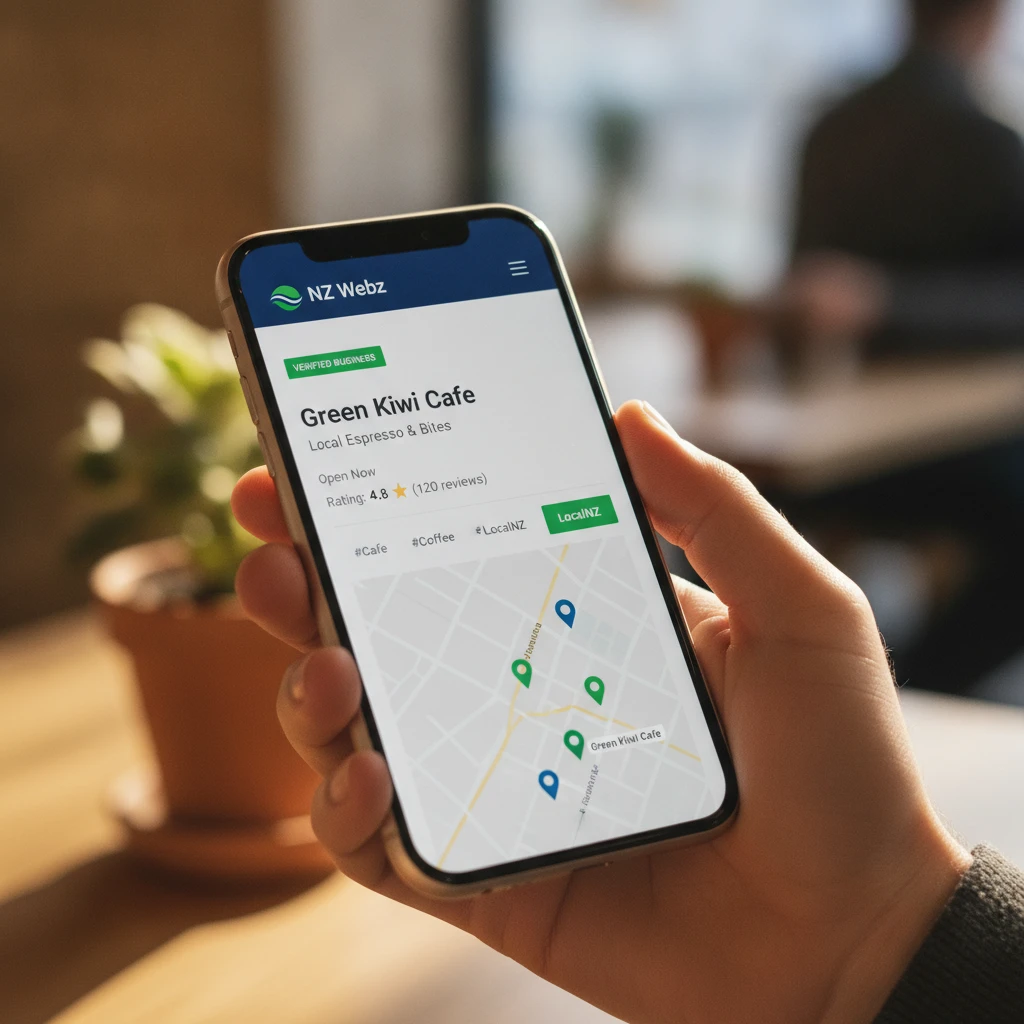
Before creating a new listing, search your business name on Google to see where you are already listed. Make a spreadsheet of existing profiles and ensure the contact details are perfectly identical across all of them.
Finally, select your categories with precision. If you run a digital marketing agency, don’t just select “Business Services.” Drill down into specific verticals like “Marketing & Digital” or “SEO Consultants” if available. The more specific your category, the higher the quality of the discovery traffic you will receive.
It is also wise to keep a secure record of your login credentials for any directory you join. Over time, your business may move locations, change phone numbers, or rebrand. You need to be able to quickly log in and update your citations to maintain that critical NAP consistency.
Remember that a Standard Website Listing is a long-term play. It may take several weeks for search engines to crawl the new directory page and credit the citation to your domain. Patience, combined with high-quality, manually reviewed placements, will yield the best return on investment.
By treating your directory profile as an extension of your own website, you maximize its potential. Regularly review your listings to ensure they accurately reflect your current service offerings. This proactive approach will keep your local SEO strategy strong and resilient.